

Benefits of Dried Coconut


Dried coconut is one of the most popular natural products thanks to its long shelf life and unique flavor. It plays an important role in the food and confectionery industries as well as in export markets. This product is obtained by drying the fresh flesh of the coconut and is rich in nutrients such as fiber, manganese, and healthy fats. Many consumers face challenges when buying dried coconut due to quality variations, lack of clear standards, and fluctuating prices. This makes finding a natural, aromatic, and affordable product quite difficult. Below, we’ll explore the full health benefits of dried coconut to help you make an informed decision before buying.
Dried coconut is a nutritious, flavorful, and versatile ingredient that has gained widespread popularity across global markets. Whether used in baking, cooking, snacking, or exported as a dried fruit product, dried coconut offers a unique combination of taste and health benefits. Made by dehydrating fresh coconut meat, it retains most of its original nutrients while gaining a longer shelf life, making it a valuable choice for both consumers and food manufacturers. This article explores the key benefits of dried coconut, its nutritional value, and important considerations for consumption.
Health Benefits of Dried Coconut
Dried coconut, made from fresh coconut meat, retains its flavor, aroma, and nutritional value even after drying. It’s not only a favorite in Iran but also a popular export item in international dried fruit markets. As people increasingly seek natural and energizing foods, understanding the benefits of dried coconut before purchasing has become essential.
- Rich source of natural fiber
- Healthy fats for sustained energy
- Packed with vitamins and minerals
- Supports focus and brain function
1. Rich Source of Natural Fiber
One of the most notable advantages of dried coconut is its high fiber content. Dietary fiber plays a crucial role in supporting digestive health by enhancing bowel movements and preventing constipation. Additionally, fiber helps maintain satiety for longer periods, making dried coconut an excellent snack option for individuals aiming to manage their weight. Regular consumption, in moderation, may also help regulate blood sugar levels and reduce the risk of cardiovascular diseases.
2. Healthy Fats for Sustained Energy
Dried coconut contains medium-chain triglycerides (MCTs), a type of healthy fat that is rapidly absorbed and used as a quick energy source by the body. Unlike long-chain fatty acids, MCTs are easier to digest and are known to boost metabolism. These beneficial fats can help reduce fatigue, improve exercise performance, and contribute to overall energy balance. For this reason, dried coconut is often included in the diets of athletes and individuals following active lifestyles.
3. Packed with Essential Vitamins and Minerals
Dried coconut is rich in a variety of vitamins and minerals that play vital roles in maintaining overall health. It contains B vitamins (such as B1, B3, and B6), vitamin E, manganese, magnesium, copper, and potassium. These nutrients support bone strength, enhance immune function, and contribute to healthy skin and hair. The presence of antioxidants also helps protect the body from oxidative stress and premature aging.
4. Enhances Brain Function and Mental Clarity
The MCTs found in dried coconut serve as an efficient fuel source for the brain. They may help improve mental focus, enhance cognitive performance, and support long-term brain health. Some studies suggest that MCTs could reduce the risk of neurodegenerative diseases such as Alzheimer’s by providing alternative energy to brain cells. As a result, dried coconut can be considered a smart snack for students, professionals, and anyone seeking mental clarity throughout the day.
5. Long Shelf Life and Versatility in Cooking
Beyond its health benefits, dried coconut stands out for its practicality. Its reduced moisture content prolongs its shelf life, making it suitable for long-term storage and international trade. It can be used in various culinary applications, including desserts, granola mixes, curries, smoothies, and snacks. This versatility makes dried coconut a favorite ingredient in both home kitchens and food industries worldwide.
6. Important Considerations and Potential Side Effects
While dried coconut is highly nutritious, it should be consumed in moderation. Its high calorie and fat content may contribute to weight gain if eaten excessively. Some commercial products may contain added sugars, which can raise blood sugar levels—especially in individuals with diabetes. Additionally, excessive fiber intake may cause digestive discomfort in sensitive individuals. Rarely, some people may experience allergic reactions to coconut, which should be taken seriously.
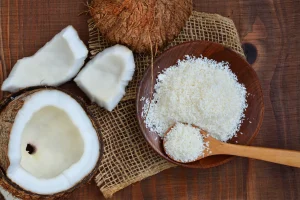
Possible Side Effects of Dried Coconut
Despite its many benefits, overconsumption of dried coconut can have some side effects. Like any healthy food, it should be consumed in moderation to avoid potential problems.
- High calorie content and risk of weight gain
- Impact on blood sugar
- Digestive discomfort when overeaten
- Allergic reactions
High Calorie Content and Risk of Weight Gain
Dried coconut is calorie-dense, and excessive intake may lead to weight gain—especially for varieties processed with added sugar or flavoring. To enjoy the benefits without the drawbacks, choose natural, additive-free options.
Impact on Blood Sugar
Some commercial dried coconuts contain added sugars, which can raise blood sugar levels. This is particularly important for people with diabetes or those on sugar-controlled diets. Always check ingredient labels and opt for organic or unprocessed products.
Digestive Discomfort When Overeaten
Although high in fiber, excessive consumption may cause bloating or gas. To support healthy digestion, limit your intake to a few pieces daily and maintain a balanced diet.
Allergic Reactions
In rare cases, some individuals may be allergic to coconut, experiencing symptoms such as itching, skin redness, or difficulty breathing. If you notice these signs, discontinue use and consult a doctor immediately.
Conclusion
Dried coconut combines delicious flavor, high nutritional value, and remarkable health benefits. It can be both a nutritious part of your daily diet and a profitable product for exporters in the dried fruit market. Choosing a high-quality product is crucial since drying methods, packaging, and purity directly affect both quality and price. For a healthy, fresh, and aromatic option, choose HME — a trusted brand committed to product quality and health. Buying natural, additive-free dried coconut not only supports a healthier lifestyle but also represents a smart investment for your future business in the dried fruit and export industry.