

Important Tips for Buying Premium Dried Plums


Key Factors for Choosing High-Quality Dried Plums
When buying premium dried plums, paying attention to visual, taste, and hygiene-related factors significantly reduces the risk of purchasing low-quality products. The most important considerations include:
- Natural and uniform color
- Clean and healthy appearance without mold or contamination
- Soft and fleshy texture
- Balanced moisture level
- Fresh and natural aroma
- Mild natural sweetness without strange taste
Natural and Uniform Color
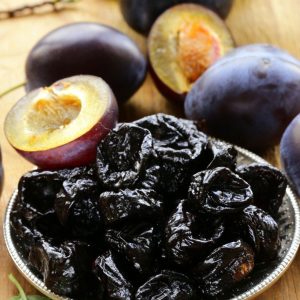
Color is one of the first indicators of quality. High-quality dried plums usually have a natural and even color ranging from light to dark brown. Unusual brightness, uneven darkness, or abnormal shades may indicate artificial coloring or improper processing.
Healthy Appearance Without Mold
A premium dried plum should be clean and flawless without dark spots, white layers, mold, insects, or external particles. Any abnormal mark usually indicates poor storage or high moisture that can be harmful to health.
Soft and Fleshy Texture
Good-quality dried plums should be soft, flexible, and slightly compressible without being brittle or excessively hard. Overly soft or crushed fruit may contain excess moisture and spoil faster.
Balanced Moisture
Premium dried plums should neither be too dry nor overly moist. Balanced moisture preserves natural taste, improves shelf life, and prevents mold growth.
Fresh and Natural Aroma
High-quality dried plums have a mild, pleasant, and natural smell. Sour, moldy, chemical, or stale odors indicate spoilage or poor storage conditions.
Natural Taste Without Additives
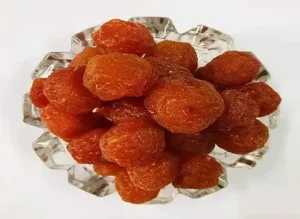
Premium prunes should have a mild natural sweetness and pleasant flavor. Excessive bitterness, sourness, or burnt taste suggests low quality or artificial additives.
Price of Premium Dried Plums
The price of high-quality dried fruit depends on several important factors:
- Quality grade
- Plum variety
- Size and uniformity
- Drying method
- Moisture level and shelf life
Quality and Grading
Top-grade dried plums have superior color, taste, texture, and size. Lower grades may contain defects or smaller fruit, leading to lower prices.
Type and Variety
Some plum varieties naturally have more flesh, better sweetness, and higher nutritional value, making them more suitable and valuable for drying.
Size and Uniformity
Larger and evenly sized dried plums are more attractive and usually priced higher due to better sorting and processing.
Drying Method
Standard industrial or well-controlled traditional drying methods ensure better hygiene, shelf life, and quality, influencing price positively.
Moisture Level and Shelf Life
Products with standard moisture levels last longer and maintain better quality, resulting in higher value.
Types of Dried Plums
| Texture | Main Use | Feature | Taste | Color | Type |
|---|---|---|---|---|---|
| Soft & Fleshy | Traditional dishes & stews | Most popular | Mild sweet-tart | Light to dark brown | Bukhara Prunes |
| Fleshy & Large | Snacks & desserts | Shiny appearance | Sweeter | Dark | Black Dried Plum |
| Very Fleshy | Direct eating & serving | Premium quality | Natural sweet | Brown to dark | Shablon Dried Plum |
| Moderate to Soft | Local foods & stews | Balanced pleasant taste | Sour | Dark red / brown | Red Dried Plum |
| Soft & Semi-Dry | Snacks & nut mixes | Attractive look | Sweet or mild | Light yellow | Yellow Dried Plum |
| Soft & Natural | Healthy traditional consumption | Sun-dried | Natural sweet | Matte natural | Sun-Dried Plum |
Final Words
Choosing premium dried plums requires attention to color, taste, texture, moisture, and hygiene. Knowing different types of dried plums helps you select the best option according to your taste, usage, and budget. Buying from trusted brands with hygienic packaging ensures health and quality.
HME offers a wide range of high-quality, hygienically packaged dried plums with professional quality control, allowing consumers to enjoy natural taste and premium nutritional value.